
Why High Notes Feel Hard — Even When You Take a Big Breath

Many singers come to a vocal coach saying the same thing:
“I take a really deep breath… but my high notes still feel tight.”
This is one of the most common (and misunderstood) issues we see in vocal lessons.
The truth is — taking more breath does not automatically help you sing higher.
In fact, it can make high notes harder.
To understand why, we need to look at how breath pressure and vocal folds work together, and how this relationship affects belting, head voice, and high-note technique.
Breath, pressure, and vocal fold closure — what singers aren’t told
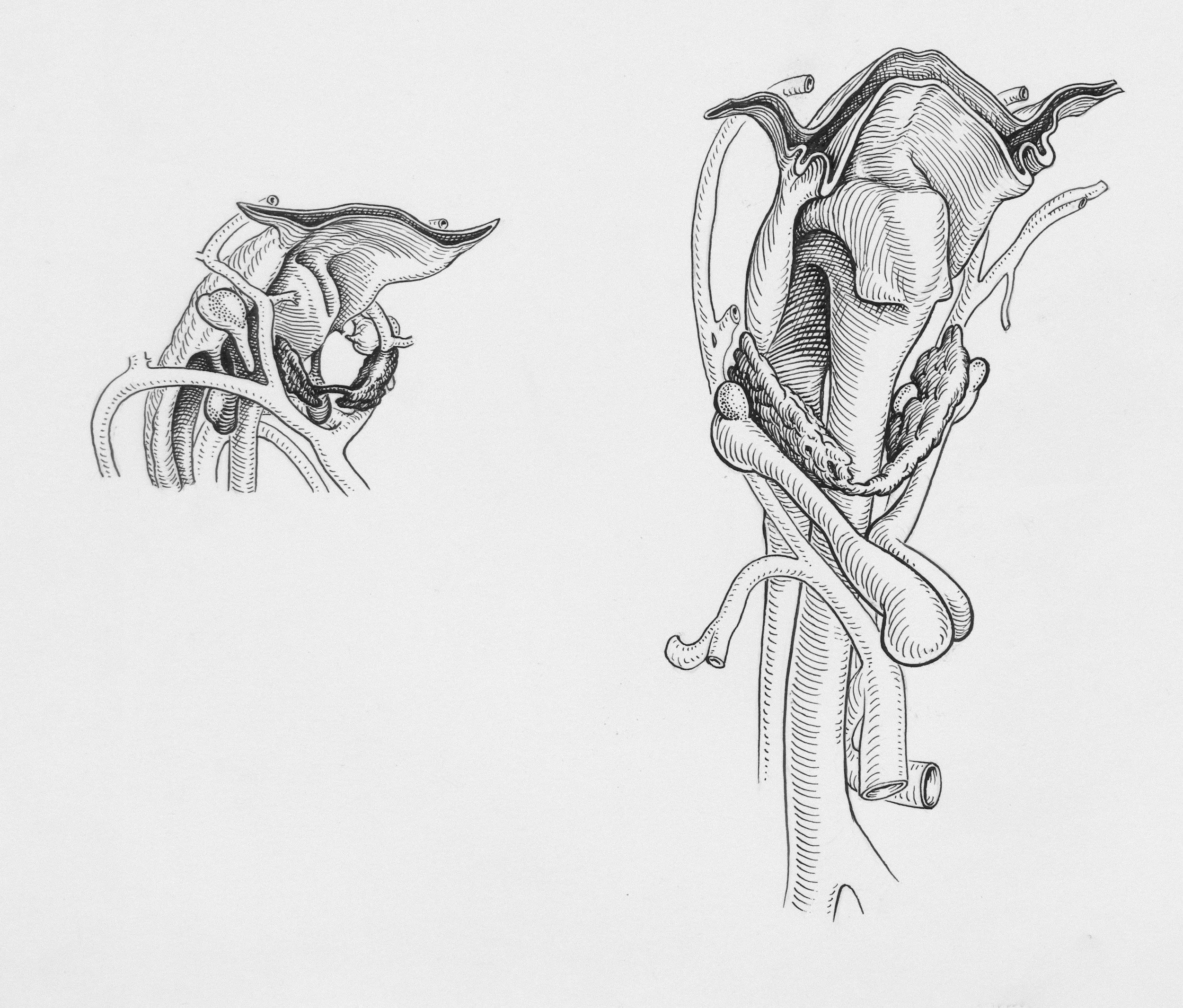
When you inhale deeply, air fills the lungs and creates pressure below the vocal folds.
Your body responds instinctively by:
increasing vocal fold closure
stabilising the throat and torso
preventing air from escaping too quickly
This is a protective reflex, not a singing technique. In daily life, it helps with effort and stability.
In singing, however, it can lead to:
throat tension
pressed sound
difficulty accessing high notes
From a vocal coach’s perspective, this is where many singers unknowingly work against their voice.
Why belting feels easier with more pressure
Belting uses a coordination that can tolerate:
higher breath pressure
firmer vocal fold closure
a speech-like or chest-dominant setup
This is why singers often feel strong, powerful, confident when belting higher notes.
However, even in belting:
too much breath causes shouting
the throat starts to grip
fatigue sets in quickly
A skilled vocal coach will always guide singers to belt with control, not force.
Why head voice collapses with “too much breath”
Head voice relies on a very different coordination:
thinner vocal fold edges
lower breath pressure
greater flexibility
When a singer takes an overly big breath for a high note:
pressure increases too early
the body reflexively tightens the vocal folds
elongation and thinning become harder
This is why singers experience:
cracking or flipping
squeezed or breath-blocked sound
unstable high notes
This is not a range issue — it’s a breath-pressure mismatch.
“High notes need management, not more air”
From a vocal coaching standpoint, high notes require:
precision, not power
balance, not pushing
responsive vocal fold closure, not rigid holding
As pitch rises:
vocal folds must lengthen and thin
airflow must become more efficient
excessive breath triggers tension
Again, this is worth repeating!
High notes don’t always need more breath — they need better-matched breath.

Practical guidance for Singers!
For belting
Use speech-like clarity, not forced air
Reduce inhalation size — breathe for the phrase, not the fear
Think energy forward, not air pushed up
For head voice
Take smaller, calmer breaths
Allow airflow to start the sound gently
Focus on release, not “supporting harder”
For practising high notes
Start at medium volume
Notice if tension appears before the note — that’s breath pressure, not pitch
Trust coordination over force
These are principles we apply consistently in our vocal lessons at The Vocal Studio.
A healthier way to think about singing high
❌ Big breath → push → high note
✔️ Appropriate breath → coordinated closure → free high note
Belting, head voice, and high-note technique are not separate problems.
They are all reflections of how well breath and vocal folds are working together.
With the right guidance from a vocal coach, high notes stop feeling like something to “attack” —
and start feeling accessible, reliable, and sustainable.
Looking for a vocal coach, Singing Lessons?
At The Vocal Studio Singapore, our vocal coaches focus on:
healthy vocal technique
sustainable high notes
belting and head voice coordination
personalised guidance for each singer
Whether you’re a beginner or an experienced singer, learning how to manage breath instead of fighting it can transform your singing.